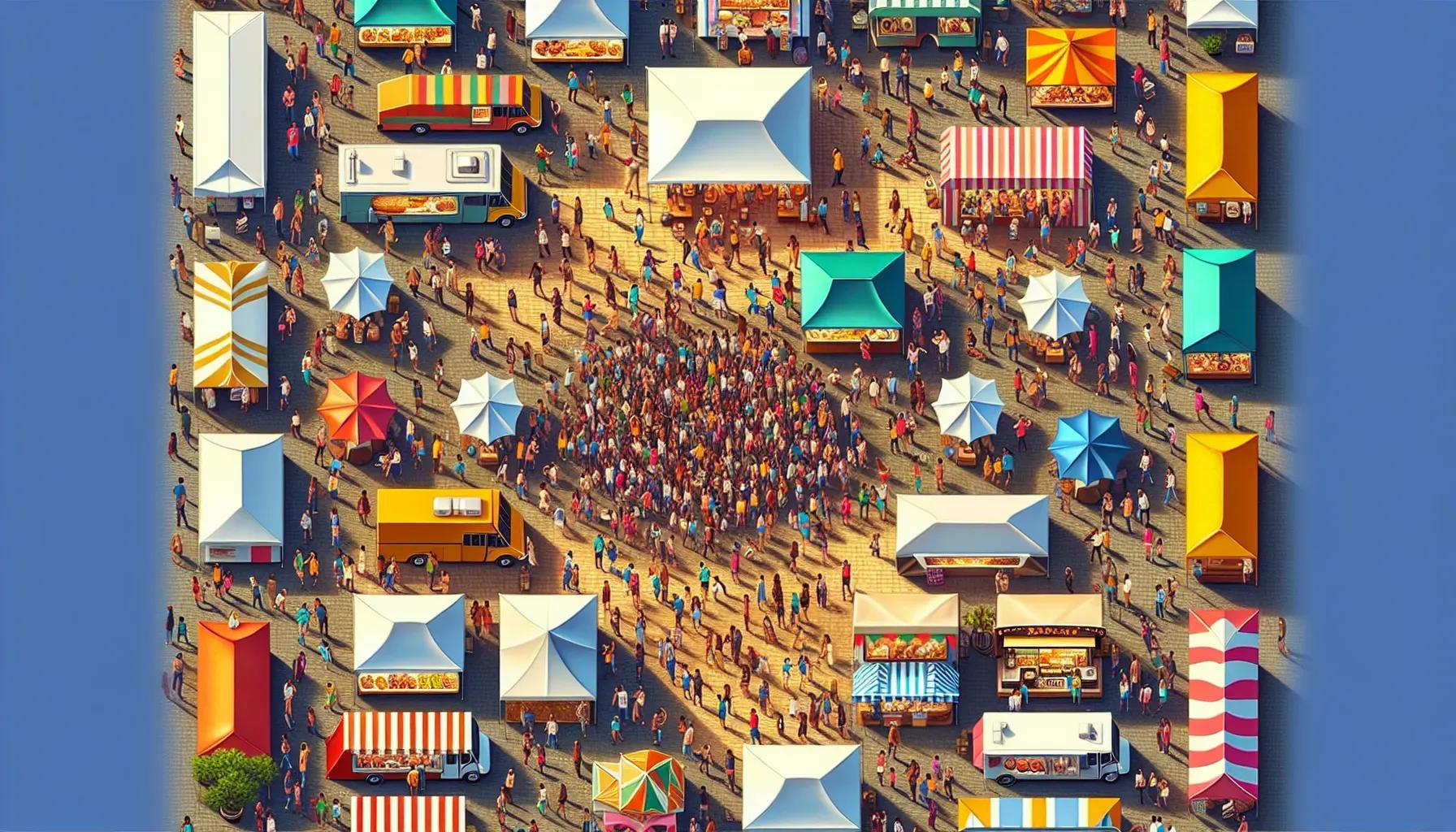

Welcome to our comprehensive guide on summarizing and covering outdoor events. This blog post aims to provide you with the necessary tools and knowledge to effectively capture the essence of any outdoor event, whether it's a music festival, a sports competition, or a community fair. We'll delve into various aspects, from preparation to execution, ensuring you leave no stone unturned in your coverage.
Preparing for Outdoor Event Coverage
Preparation forms the backbone of successful outdoor event coverage. It involves understanding the event's nature, its participants, and its audience. A music festival, for instance, requires a different approach compared to a marathon race.
Researching the event beforehand is crucial. It helps you anticipate the event's flow and identify key moments worth capturing. Familiarize yourself with the event's schedule and layout. Knowing where and when things will happen allows you to position yourself strategically.
Equipment selection also plays a vital role in preparation. Depending on the event, you might need different types of cameras, lenses, and audio equipment. For instance, a sports event might require high-speed cameras to capture fast-moving action, while a music festival might need high-quality audio recording equipment.
The Art of Capturing the Event
Once you've prepared, it's time to dive into the heart of outdoor event coverage: capturing the event. This involves not just recording the main events, but also the atmosphere, the audience, and the unexpected moments that make each event unique.
Start by focusing on the event's key moments. These are the highlights that define the event, such as the start of a race, the climax of a concert, or the announcement of a winner. Capturing these moments requires a keen eye and quick reflexes, as they often happen quickly and unexpectedly.
But don't just focus on the big moments. The smaller, quieter moments often tell a story just as compelling. The anticipation in the crowd before the event starts, the exhaustion on a runner's face after crossing the finish line, the joy of a child at a fair - these are the moments that bring an event to life.
The Importance of Audience Interaction
An event is nothing without its audience, and capturing their reactions and interactions is a crucial part of outdoor event coverage. The audience's energy and enthusiasm can often set the tone for the event, and their reactions can provide a valuable perspective on the event's impact.
Engage with the audience whenever possible. This could involve interviewing attendees, capturing their reactions to key moments, or simply observing their behavior during the event. Remember, every individual has a unique perspective, and capturing this diversity can add depth to your coverage.
Summarizing the Event
Once the event is over, the task of summarizing it begins. This involves distilling the hours of footage and experiences into a concise, engaging summary that captures the event's essence.
Start by identifying the key moments and themes of the event. These will form the backbone of your summary. Then, weave in the smaller moments and audience reactions to create a comprehensive picture of the event.
Remember, a good summary doesn't just recount the events in chronological order. It tells a story, capturing the highs and lows, the excitement and anticipation, and the unique atmosphere of the event.
The Role of Post-Production
Post-production is where your coverage and summary come to life. This is where you edit your footage, add commentary or narration, and polish your work into a final product.
Editing is a crucial part of post-production. It involves selecting the best footage, cutting out unnecessary parts, and arranging the remaining clips in a way that tells a compelling story. Good editing can make the difference between a bland summary and one that captures the audience's attention.
Adding commentary or narration can also enhance your summary. It provides context to the footage, guiding the audience through the event and highlighting key moments. However, be careful not to overdo it - let the footage speak for itself whenever possible.
Sharing Your Coverage and Summary
Once you've completed your coverage and summary, it's time to share it with the world. This could involve publishing it on a blog, sharing it on social media, or submitting it to a news outlet.
When sharing your work, consider your audience. Tailor your presentation to suit their interests and preferences. For instance, a social media audience might prefer a short, snappy summary with lots of visuals, while a news outlet might prefer a more detailed, journalistic approach.
Remember, the goal of sharing your work is not just to showcase your coverage and summary, but also to engage your audience and generate discussion about the event.
Wrapping Up: The Journey of Outdoor Event Coverage and Summaries
Outdoor event coverage and summarizing is a journey that requires preparation, execution, and post-production. It's about capturing the essence of the event, from the key moments to the audience's reactions. It's about telling a story that engages the audience and brings the event to life. With the right approach and tools, anyone can master the art of outdoor event coverage and summaries.